
A national research project that aims to strengthen the prevention of workplace accidents and occupational diseases through an integrated approach
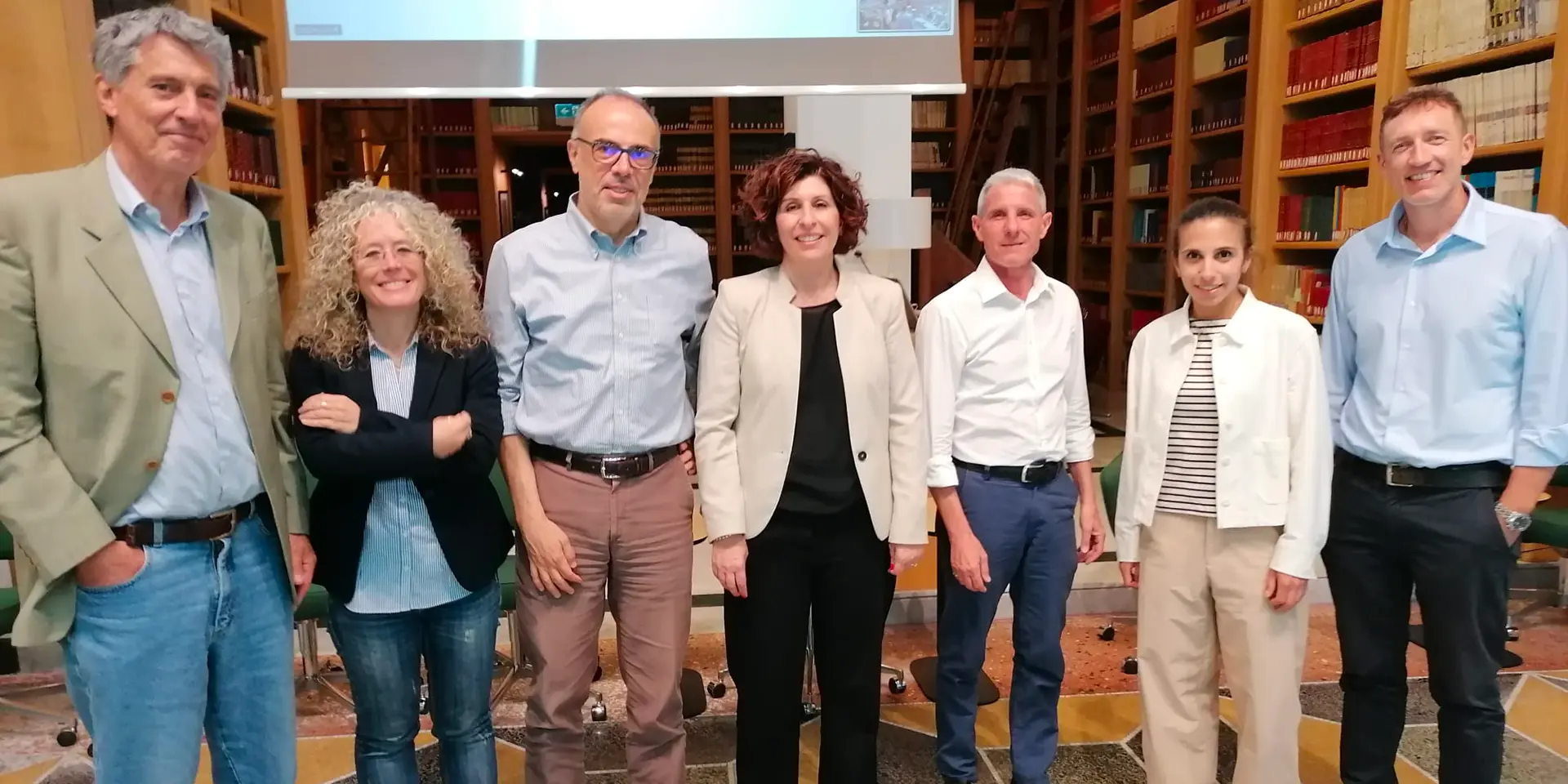
PRISMA – apPRocci Integrati per la geStione della conoscenza dei fattori di rischio nell’ecosisteMA della Salute e Sicurezza sul Lavoro (SSL) project's kick-off meeting was held on 29 May at INAIL's headquarters in Rome. The project is funded by INAIL (Italian National Institute for Insurance against Accidents at Work) under the BRIC call for proposals and is being coordinated by Università del Salento.
PRISMA will investigate the role of organisational dynamics in the occurrence of adverse events, while also making the most of the opportunities arising from the evolving regulatory framework and advances in inspection, monitoring and training practices. Adopting a systemic perspective, the project aims to connect the different levels of the occupational health and safety prevention system to foster a more integrated and effective approach to workplace risk prevention.
The partnership brings together multidisciplinary expertise from academia, institutions and prevention services. Alongside the Università del Salento, the partners include Politecnico di Milano, Università di Bologna, Unitelma Sapienza, ATS Brianza, ATS Insubria and SPISAL Pedemontana. INAIL provides coordination and support.
Department of Management, Economics and Industrial Engineering at Politecnico di Milano, led by Professors Guido Micheli and Gaia Vitrano, is focusing its research activities on developing operational and digital tools to support the management and understanding of risk factors. The project will particularly target small and medium-sized enterprises. The research activities aim to improve the monitoring of occupational health and safety processes within companies by taking a multidisciplinary and integrated approach.
In this context, the department is developing a multilevel model to monitor preventive actions at various levels of the occupational health and safety ecosystem, including corporate, regional and national levels. This model identifies integrated process and impact indicators. This model will enable the analysis of the effectiveness of prevention initiatives from a systemic perspective, capturing the interactions among the organizations, institutions and stakeholders involved.
The expected project’s results include developing models for analyzing the organizational component of adverse events based on case law; strengthening information flows among institutional actors involved in prevention and control activities; and creating digital tools based on integrated data analysis from risk factor surveillance systems. The overall objective is to contribute to more effective prevention policies and a more informed, data-driven approach to occupational health and safety, particularly in supporting small and medium-sized enterprises.