
The transition to the circular economy, driven by the opportunities offered by digital technologies, requires new skills to be developed through updated higher education and vocational training programs.
Against this backdrop, the European CERES project has launched training initiatives, informed by labour market analysis and an evaluation of existing educational resources on the circular economy.
These initiatives aim to update curricula and prepare students, professionals, and educators for the challenges of the circular transition. By incorporating the principles of the circular economy into educational programs from the outset, the project has helped to enhance skills and employability within evolving industrial sectors.
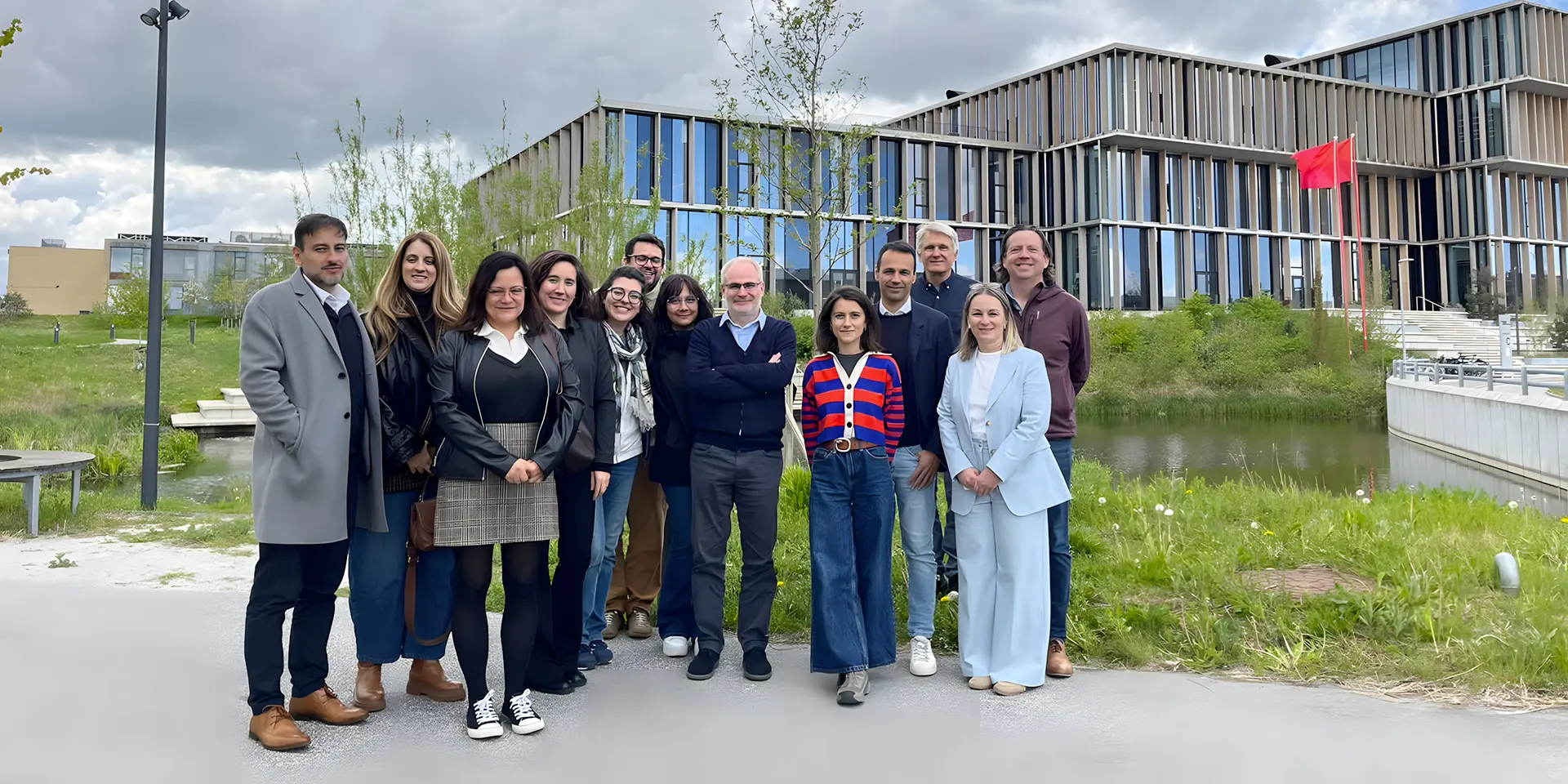
The final event of the project, the Transnational Project Meeting, took place at Aalborg University on 12–13 May, bringing together academic and industrial partners from various European countries to conclude the project’s activities and share the results achieved.
Key initiatives included creating the Circular Economy Digital Innovation Hub (CE-DIH), which is designed to support continuing education and collaboration among European stakeholders, and developing a digital platform with over 1,000 users. This platform features training materials, courses and case studies on circular manufacturing, as well as a certification programfor circular economy experts.
The project also organized four European hackathons, conducted outreach activities via web talks and produced numerous scientific publications in international journals and at conferences.
During the event, the winning team from the CERES Hackathon in Europe was announced. They were recognized for their innovative solution for the construction sector and the quality of their presentation, which effectively integrated technical content with a communicative approach.
Overall, the project has helped to bridge the gap between the skills demanded by the labour market and educational offerings in circular economy sectors by developing up-to-date higher education and vocational training curricula in line with industrial sector needs.
The meeting in Aalborg confirmed the value of European cooperation in promoting the necessary skills and tools for transitioning to more sustainable production and consumption models. A well-established international network and a structured set of training tools were left behind to support the evolution of the circular economy.