By integrating AI, digital twins and human-centric methodologies, DA CAPO has developed new solutions to optimize resource use, facilitate data sharing and encourage companies to adopt the principles of the circular economy.
The transition to more sustainable and circular production models is one of the European manufacturing sector's main strategic challenges. The sector must balance competitiveness and the efficient use of resources with reduced dependence on critical raw materials by integrating new digital technologies into industrial processes. Against this backdrop, the European project DA CAPO - Digital Tools for a Circular Economy has emerged. Empowering the transition towards sustainable manufacturing, the project has developed innovative solutions to support the industry's digital and sustainable transformation.
Launched in January 2023, DA CAPO was an international project involving a consortium of 15 organizations from 10 European countries, coordinated by the AIMEN Technology Centre. Politecnico di Milano took part in the project through the Department of Management, Economics and Industrial Engineering, acting as the university's lead partner under the direction of Professor Marco Taisch. The Department of Mechanical Engineering also contributed, led by Professor Marco Colledani.
DA CAPO's goal was to develop innovative digital tools to support manufacturing companies in transitioning to circular economy models. These tools would improve the efficiency of resource use and information management throughout the product life cycle, as well as enhance the ability to make sustainability-focused decisions.
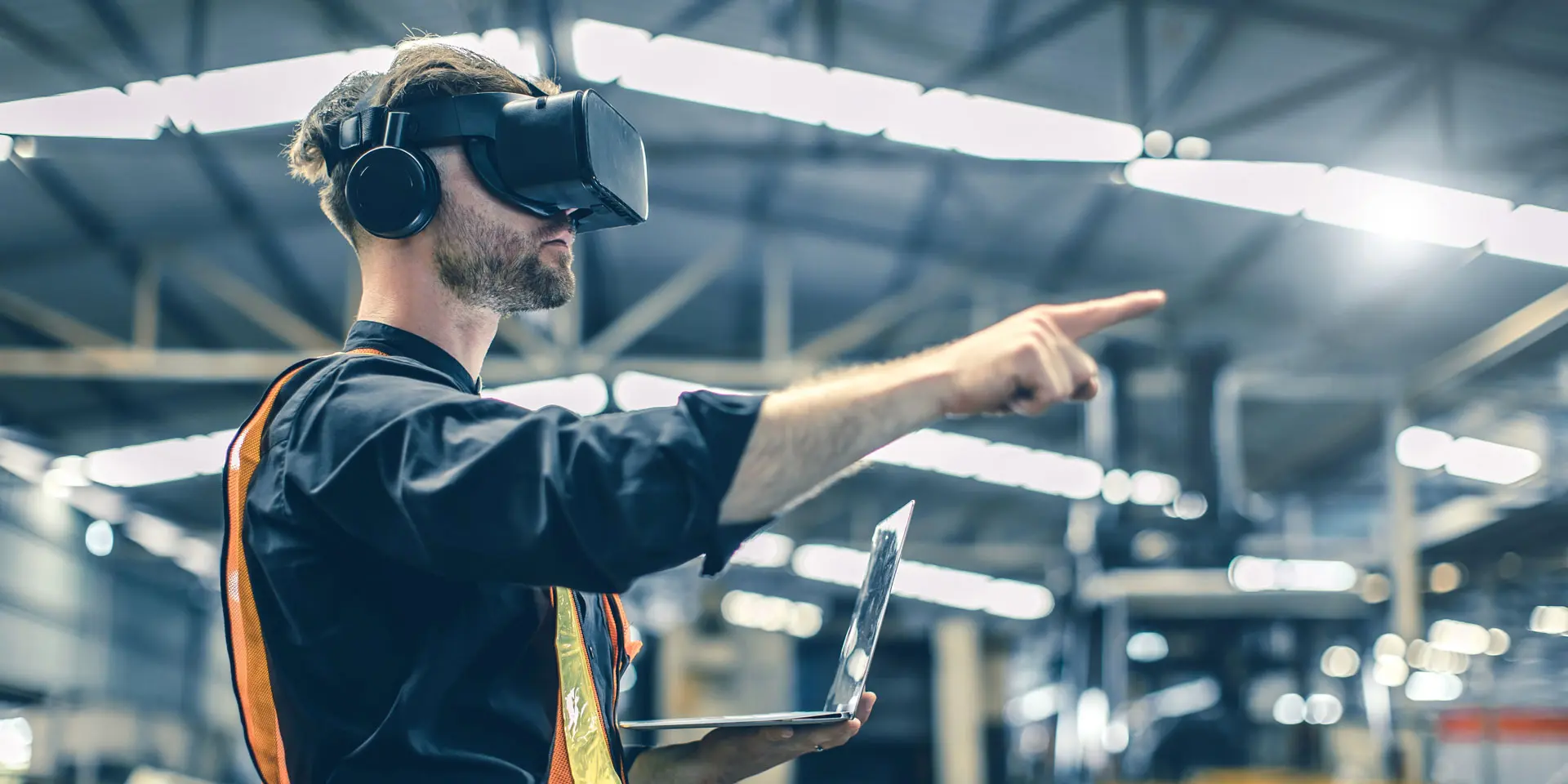
DA CAPO promoted a new approach to transforming production systems through an Agile Circular Economy methodology, based on continuous collaboration with industry, the integration of advanced digital technologies, and solutions designed to support people through the process of change. Using Artificial Intelligence, Digital twins and digital tools to support operators has enabled new ways to improve the management of products, processes and resources from a circular perspective to be developed.
A key outcome of the project is the development of an integrated digital platform for circular product management, which facilitates the collection, sharing and utilization of information throughout the supply chain, supporting more informed, sustainability-oriented decisions.
The solutions were tested in three strategic industrial sectors — aeronautics, electronics, and logistics/warehousing — via a network of eight Didactic Factories. These are innovation hubs where businesses and researchers can trial new technologies, develop skills, and facilitate knowledge transfer.
The demonstrators produced have shown tangible results in terms of the sustainability and efficiency of production processes. In the aeronautics sector, for example, the solutions developed led to an 80% reduction in titanium destined for waste. In the electronics sector, they contributed to a 5% improvement in battery life after one year of use. In the field of logistics and warehousing, they enabled a 15% reduction in materials used for warehousing structures.
A distinctive feature of DA CAPO has been the central role given to people and skills. The Didactic Factories have served as genuine ecosystems for experimentation, training and knowledge transfer. They have fostered the development of new digital and green skills, while guiding businesses and practitioners towards adopting more sustainable production models.
DA CAPO's conclusion represents a significant contribution to the development of a more sustainable, resilient and competitive European manufacturing sector, confirming the role of management engineering in integrating technological innovation, sustainability, and the transformation of production systems.