
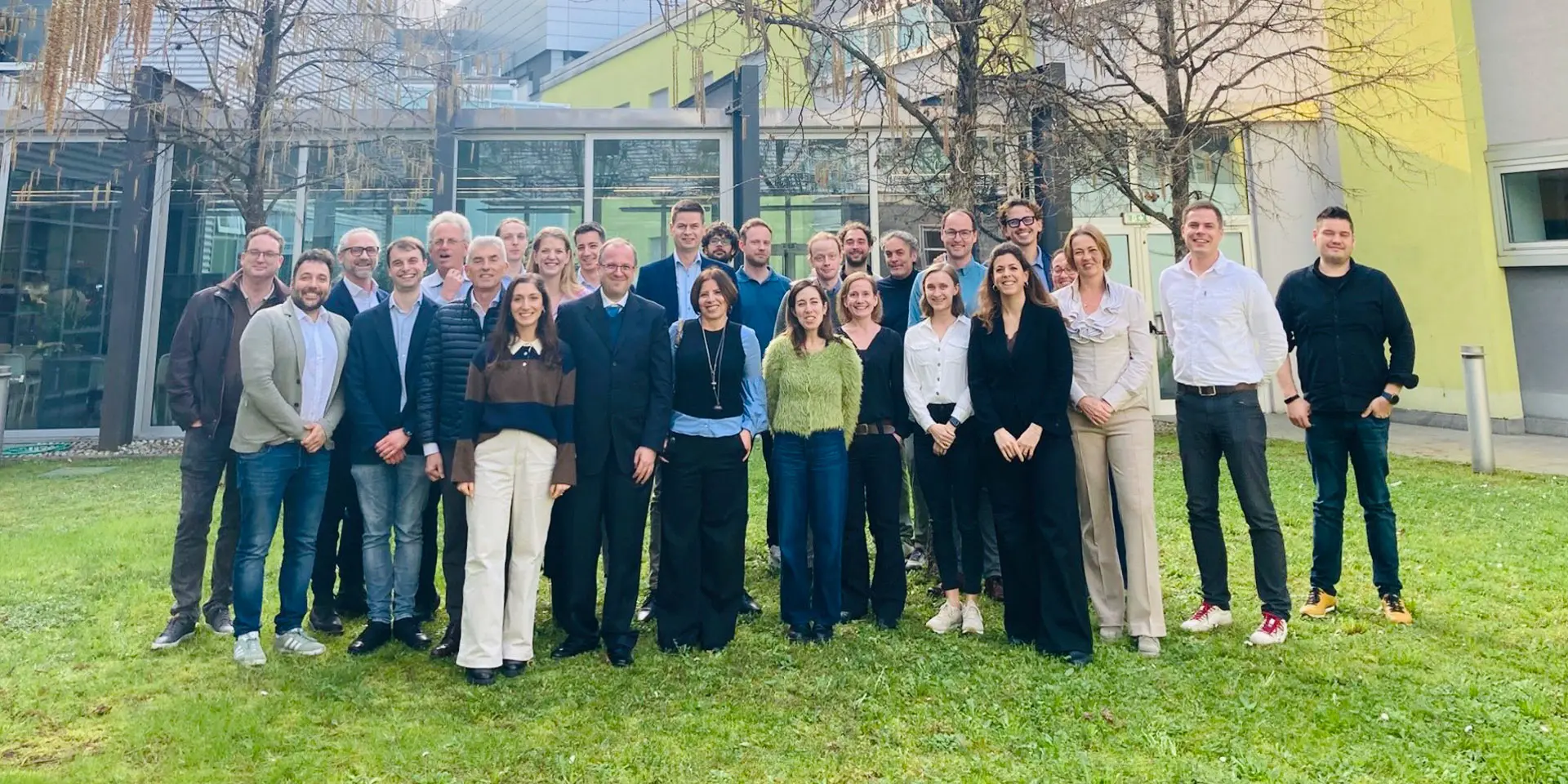
Combining circular economy principles with automotive and mass electronics is possible. CIRC-UITS, a European project funded by Horizon Europe with €6 million and coordinated by the DIG – Department of Management, Economics and Industrial Engineering of the Politecnico di Milano, has developed tools, processes and models to support more sustainable electronics industries.
Launched in 2023 and now concluded, the project involved international academic and industrial partners with the goal of reducing electronic waste, improving component reuse and integrating eco-design into industrial processes.
Four pilot projects were implemented, focusing on the eco-design of automotive electronic control units (ECU), tyre pressure monitoring sensors (TPMS), in-mold electronics (IME) components and sorting systems for obsolete printed circuit boards (PCB). The pilots addressed the full lifecycle of electronic components, enabling companies to test advanced circular technologies in real industrial contexts.
Among the key results are an automated chip removal process using collaborative robots (COBOT) to support repair operations, and an artificial intelligence-based tool for electronic component recognition, applicable also to flexible electronic modules. These solutions contribute to reducing e-waste and facilitating component reuse.
The project also developed the Electronics Circularity Toolbox, integrating augmented reality, recycling process simulation software, lifecycle analysis tools and digital twin technologies to support circular product design. CIRC-UITS contributed to the development of ISO/AWI 24961 and to new European and international standards promoting repairability and sustainable electronics management.
CIRC-UITS demonstrates how circular economy strategies can become a concrete driver of industrial competitiveness and technological innovation.
For more information, visit the project's official website by clicking here.